Blog · Economics
The pink tax, Nigerian edition: what periods cost girls
Women often pay more simply for being women. In Nigeria, the clearest example is the monthly cost of sanitary pads, which has climbed tenfold since 2019.
The "pink tax" is not a real tax. It is a name for the extra money women pay for products and services because they are marketed to women, or because only women need them.
In many countries the debate is about pink razors that cost more than blue ones. In Nigeria, the biggest gendered cost is more basic: periods.
What a period costs in 2026
Every month, more than 52 million Nigerian women and girls menstruate. Most of them need to buy something to manage it.
According to research by Dataphyte, the data journalism organisation:
- A pack of sanitary pads cost about ₦150 to ₦300 in 2019
- By 2022 it was around ₦600
- In 2026, packs sell for about ₦1,800 to ₦3,000, with imported brands costing more
Dataphyte estimates that disposable pads alone can cost a woman between ₦47,603 and ₦142,809 a year. For a girl from a low-income household, that money competes directly with food, transport and school costs.
What happens when girls can't afford pads
When pads become a luxury, girls improvise. Many use old cloth, tissue paper or other materials that can be uncomfortable, unreliable and unhygienic. Some stay home from school during their period because they are afraid of leaks and teasing.
In some cases, girls are pushed into transactional relationships to pay for basic needs. This is one reason period poverty is a safeguarding issue, not only a health one.
What has changed in policy
There is some progress. In 2020 Nigeria removed value added tax (VAT) from locally manufactured sanitary pads. Under the Nigeria Tax Act of 2025, that exemption was widened to cover sanitary products regardless of where they are made.
But removing a 7.5 per cent tax does not solve a price that has risen more than tenfold in seven years. Inflation, the cost of imported raw materials and a weaker naira have done more damage than VAT ever did.
Beyond pads: other ways girls pay more
The pink tax shows up in other places too:
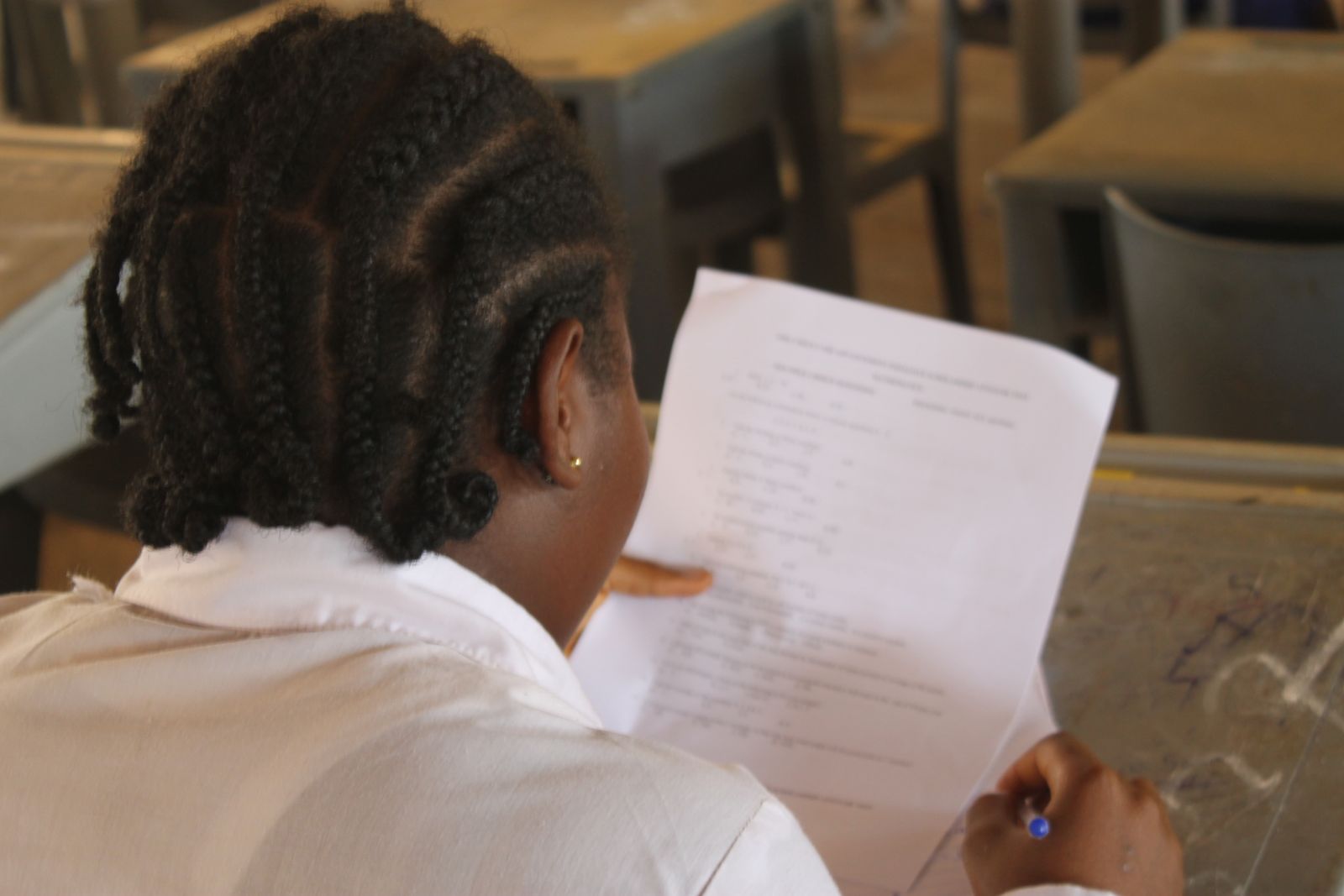
- Hair and beauty. Girls are often expected to meet grooming standards, such as braids for school, that cost far more than a boy's haircut.
- Safety costs. Families may pay for transport or escorts for daughters to keep them safe on the way to school.
- Time. Girls often do more unpaid housework and childcare, which costs them study time even when it costs no naira.
None of these appear on a receipt marked "tax." All of them make it more expensive to be a girl in school.
What would help
- Free or subsidised pads in schools, so no girl misses class because of her period.
- Reusable options, such as washable pads and menstrual cups, with clear information on how to use and clean them safely.
- Water, soap and private toilets in every school. Products alone are not enough without somewhere clean and safe to change.
- Honest menstrual education for girls and boys, so periods stop being a source of shame.
- Price monitoring so that tax relief reaches the people buying the products.
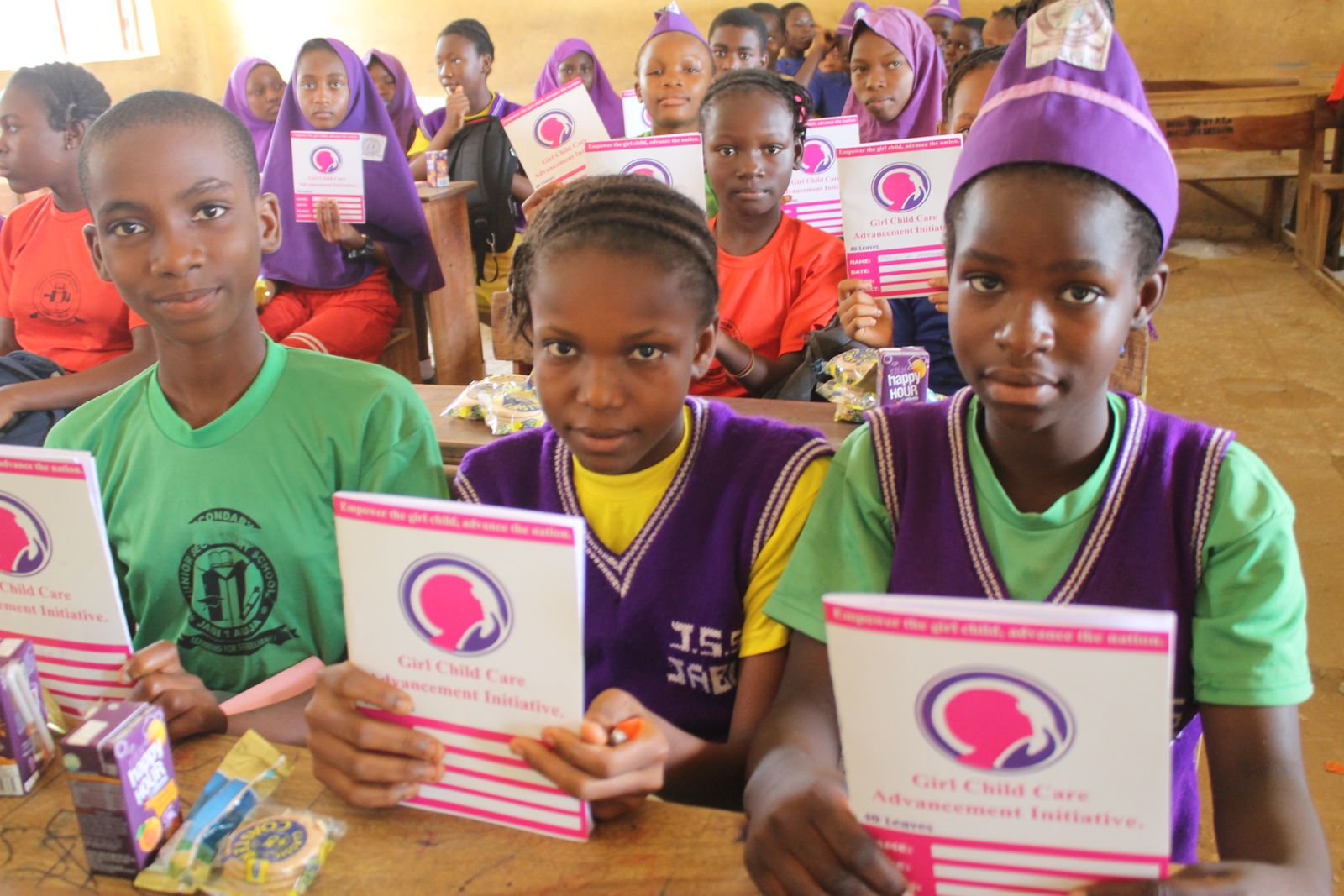
At GCCAI, menstrual health is part of how we think about education access. A girl cannot learn consistently if she has to stay home every month.